The Magstripe Story: Defining the Standard for MRI Relaxation
Established in the UK, Magstripe launched its first system in 2000, setting a new standard for patient distraction within the bore of the magnet. Since then, we have continuously evolved our technology to meet the changing demands of modern radiology.
In 1990 Magstripe was formed and one of the first products was a DPB approved patient management system, followed by further products for airborne based video downlink systems.
2000: Launch of the MR6000, our first Relax & View® system featuring an 18-inch display. Early adopters included prestigious institutions such as Great Ormond Street Hospital and the Royal Marsden.
Our first patient relaxation system was based on an 18” wall mounted display connected via fibre optics to a DVD player. The display was mounted on axis with the scanner bore and a DVD player/fibre optic sender was located in the operators control room. Push buttons on the display allowed the operator to adjust the displayed picture orientation to suit the patient’s orientation in the bore.
Our first installation was at Gt Ormond Street Hospital in December 2000. Word spread about the new system and soon, Alder Hay, Sheffield Hallamshire, Royal Marsden and Wexham Park became early adopters of the system. Healthcare provider GE also installed a system in a 3T magnet in Besançon, France.
2004: Due to demand and availability the video system started to employ a 20" display panel. Thanks to Wardray’s network of international distributors, our customer base expanded to include South Korea, Australia and Spain. Of particular note was a hospital in São Paulo, Brazil which installed a total of 6 systems using their own engineers.
In 2005 Magstripe made their first visit to RSNA exhibiting the Relax & View® display and Safeview CCTV® systems alongside our distributors, Wardray Premise.
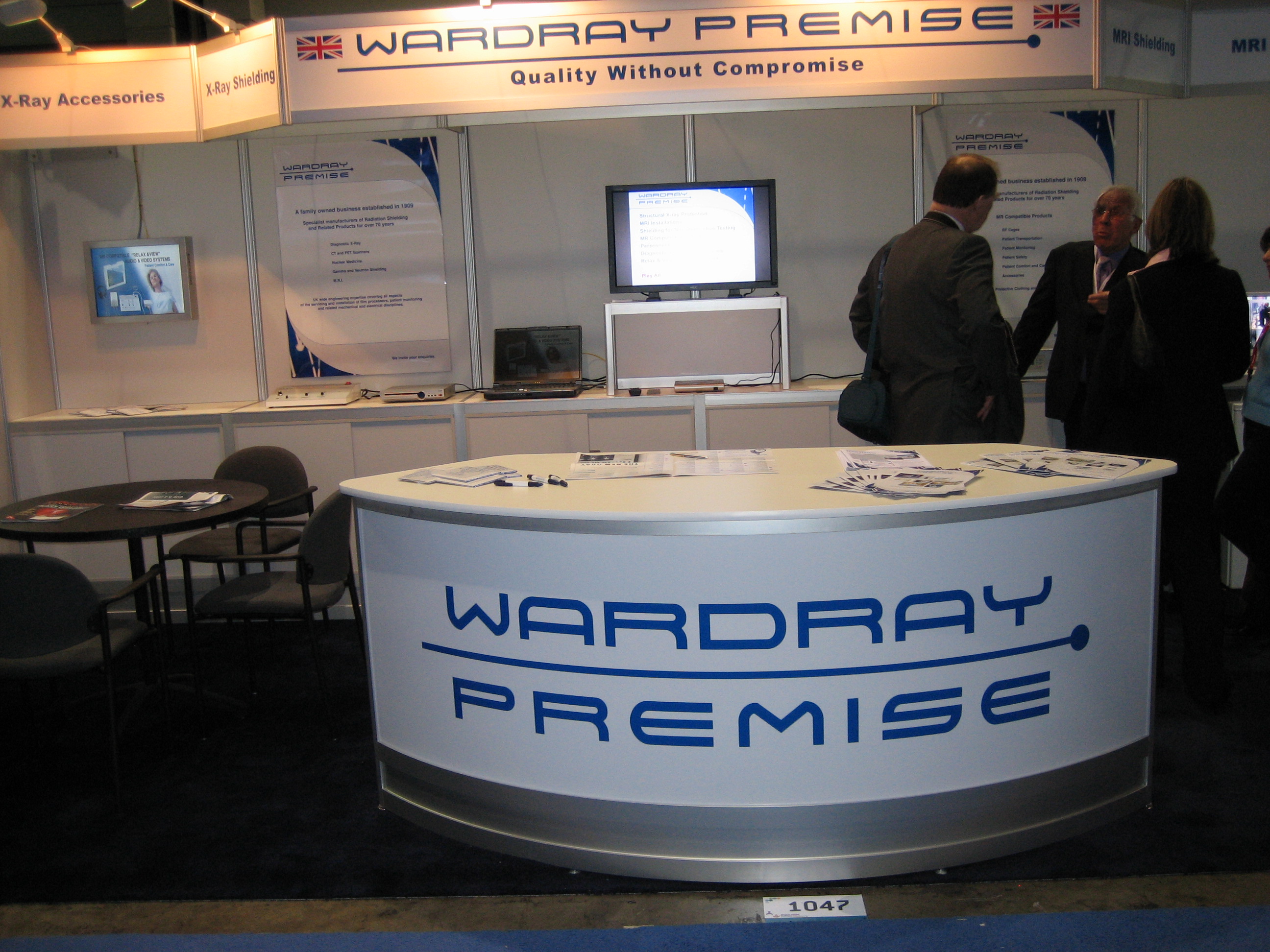
A busy day on the stand

Chicago PD ready to pursue the bad guys

Relaxing with friends from the Royal Marsden
Towards the end of 2011 a larger 24” variant of the system was introduced which became known as the MR6300 and was made available in two variants, a standard version and a fMRI option which offered additional connectivity for PCs and laptops along with some stand mounting options. A significant benefit of this new screen was the introduction of LED backlighting which improved longevity over the CFL (compact Fluorescent) variants previously available.
2013: Our presence in North America grew significantly, with The Children’s Hospital of Philadelphia equipping all eight of their scanners with our systems via our North American distributor CSP Medical.
2015: We introduced the MR6300D, bringing full HDMI compatibility to the suite, allowing seamless integration with digital media players, tablets, and laptops.
In 2015 a new variant of the 24” video system was introduced which offered HDMI input was called the MR6300D. (‘D’ for digital). The majority of DVD/Blu-ray players, Apple Ipads/IPhones (with an adaptor), PCs and laptops now offered HDMI outputs.
Since then the Relax & View customer base has spread to Canada, Poland, Serbia, Spain, Saudi Arabia, United Arab Emirates, Oman and Kuwait, Ontario. Pakistan and France.
Today: Magstripe celebrates 25 years of excellence, with products installed across the USA, Canada, Europe, the Middle East, and Asia.
In our latest developments we have added a full HD preview monitor and sound system for the operator to review up to 4 video sources prior to display to the patient.
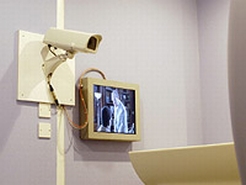
Alongside the patient relaxation system Magstripe, has developed a fibre optic based patient safety camera and a MR room Oxygen Monitor. The cameras employ similar shielding solutions to the video systems and a powerful zoom lens arrangement to observe patient activity from a distant wall mount.
The Safe Air Oxygen Monitor is usually sited near the operator remotely sampling the air near the magnet. The Oxygen content is displayed in real time on the monitor along with pre-set alarm limits. When the oxygen concentration falls outside the presets a latching alarm is sounded and if connected, external vents can be activated automatically.